
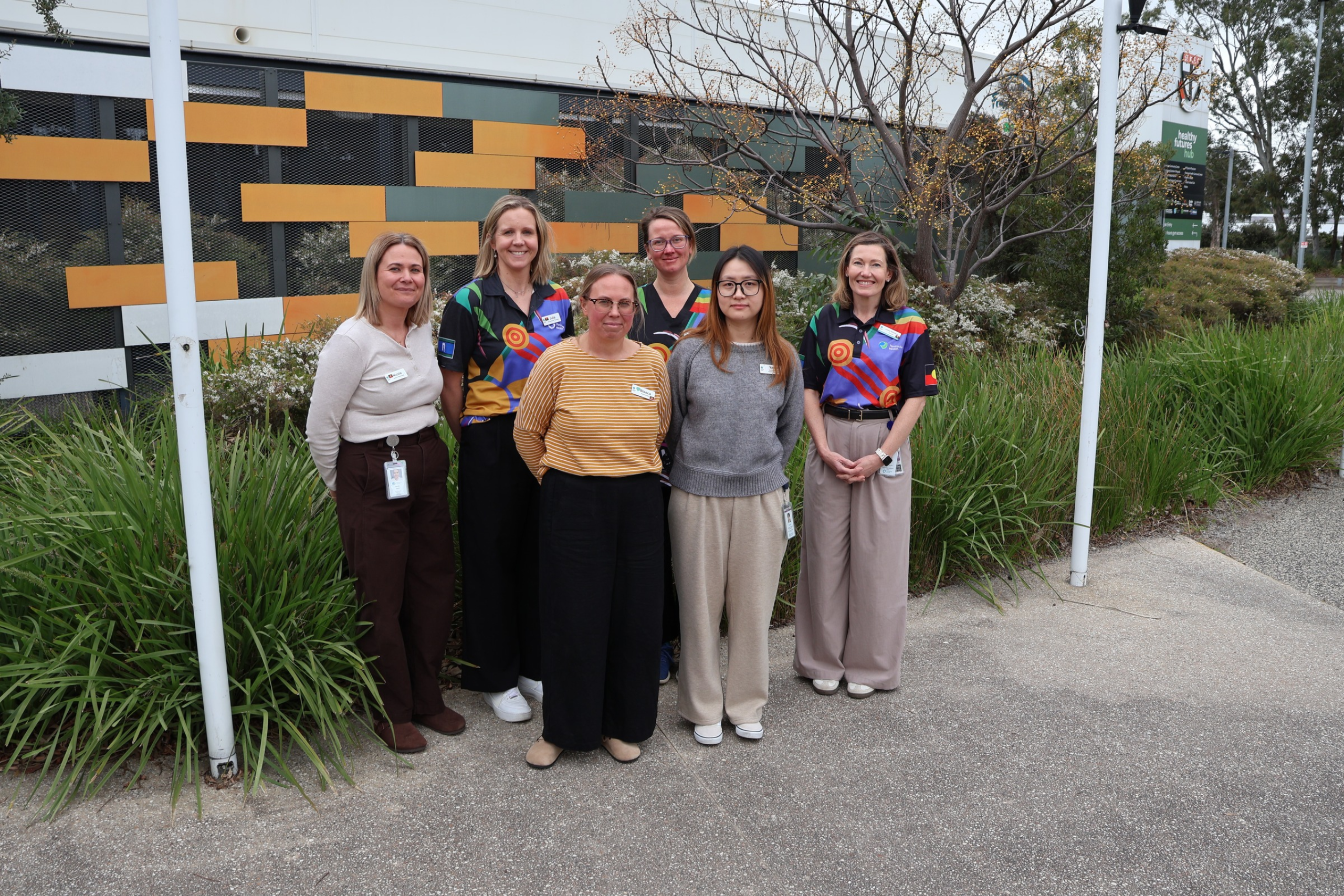
Fewer children in out of home care are slipping through the cracks, thanks to a program being run across the metro Bayside area.
Bayside Peninsula Pathway to Good Health Program (so called because it aligns with the Child Protection catchment area), is delivered by the Bayside Peninsula Care Group and covers the Local Government Areas of Frankston, Mornington Peninsula, Port Phillip, Bayside, Glen Eira and Stonnington.
“The impacts are really significant and the team have got some amazing examples of what that sort of focused work with child protection can bring about,” said Program Manager Louisa Whitwam.
The program has been running since November 2024, in partnership with Better Health Network and working closely with Child Protection – even being co-located in the office two days a week.
“We receive our referrals directly from Child Protection,” explained Julia Wilson, Senior Navigator, Pathway to Good Health.
“So in that sense, the referral pathway is quite unique to any other program within Bayside Health.”
Referrals are most commonly made for children who are new into out-of-home or kinship care, or have recently been moved to a new placement.
The team engages with child protection for the “health navigation” stage of the program, where the child’s current health and wellbeing status is established, across primary and secondary health.
Where there are developmental or medical concerns identified, or unmet healthcare needs, children are then triaged into a multidisciplinary assessment – with a team including a paediatrician, psychologist, speech pathologist, and occupational therapist, with the support of a social worker and nurse.
The team works out of five different sites across the catchment area, making it convenient for carers and children to access the services all in one place, close to home.
An online follow-up meeting is then held with the carer and child protection case manager to address the list of recommendations.
“We draw everyone together to make a plan to ensure the health and development needs are met in a timely manner,” Julia explained.
The Pathways team then checks in with child protection again three months later to follow up on the referrals and recommendations.
In addition to the benefits for the children involved, the process also supports child protection as they also build skills to navigate health services for the children they care for.
“You appreciate how comprehensive they find this because they’re getting clear recommendations and someone to talk directly to,” said Louisa. “They don’t have to outsource all these reports and find clinicians. It is quite a profound change for the sector.”
With the overrepresentation of Aboriginal and Torres Strait Islander children in the out-of-home and kinship care system, the program has a strong focus on cultural safety, and building partnerships with Aboriginal and Torres Strait Islander service providers.
“There’s a lot of different services, a lot of communities that our team need to be able to link into to ensure that not only are the assessments are culturally safe for the child, but also that it’s within their community – wherever they might be in placement or in kinder or childcare,” Louisa explained.
The program is currently funded until June 2027, with staff hoping that a renewal will ensure that children accessing the program, along with their Child Protection Colleagues, will continue being supported.
Find out more: Pathway to good health for children in care | health.vic.gov.au